Rescue Skills
£350
2 Days
Apr - Oct




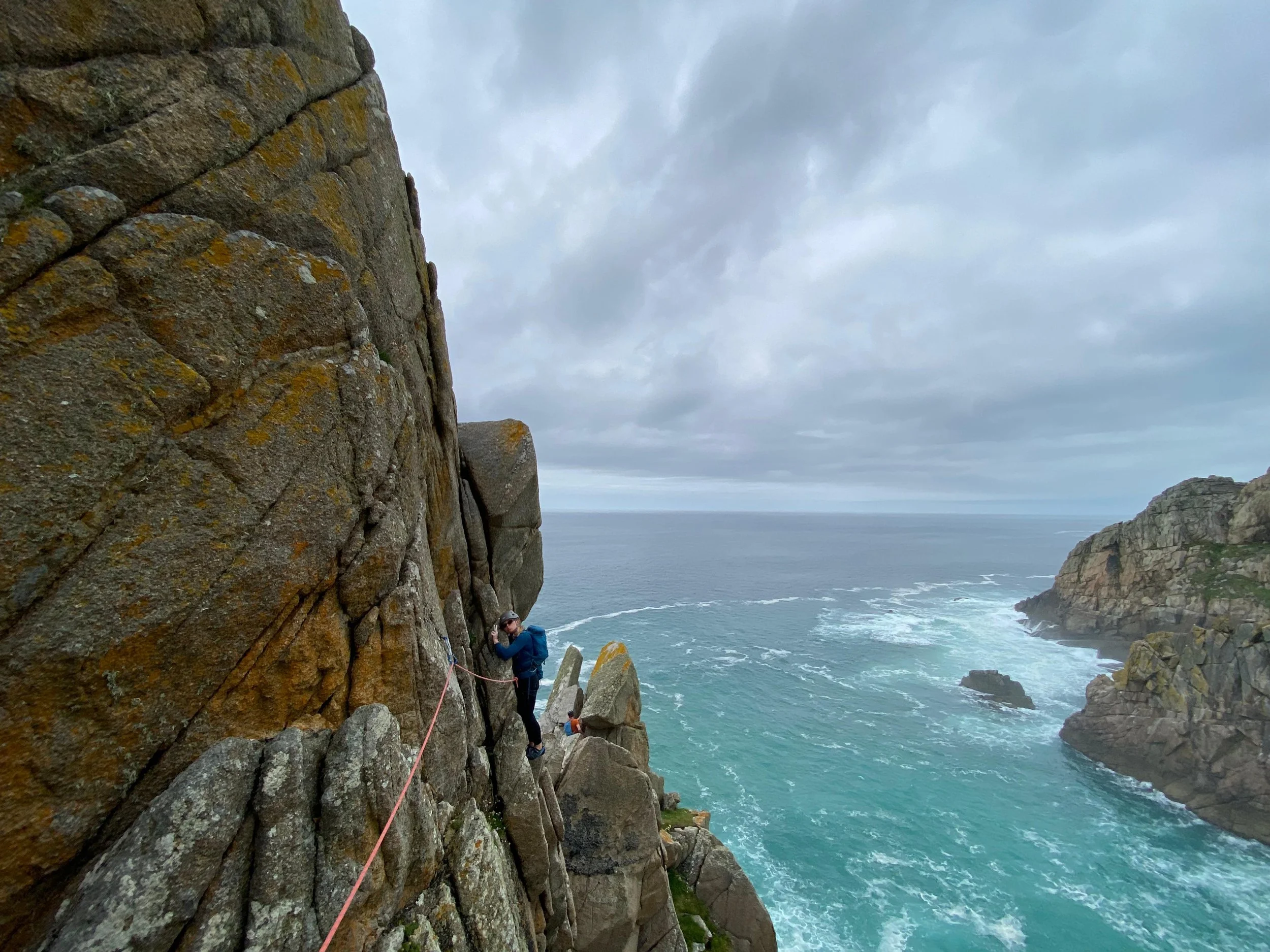
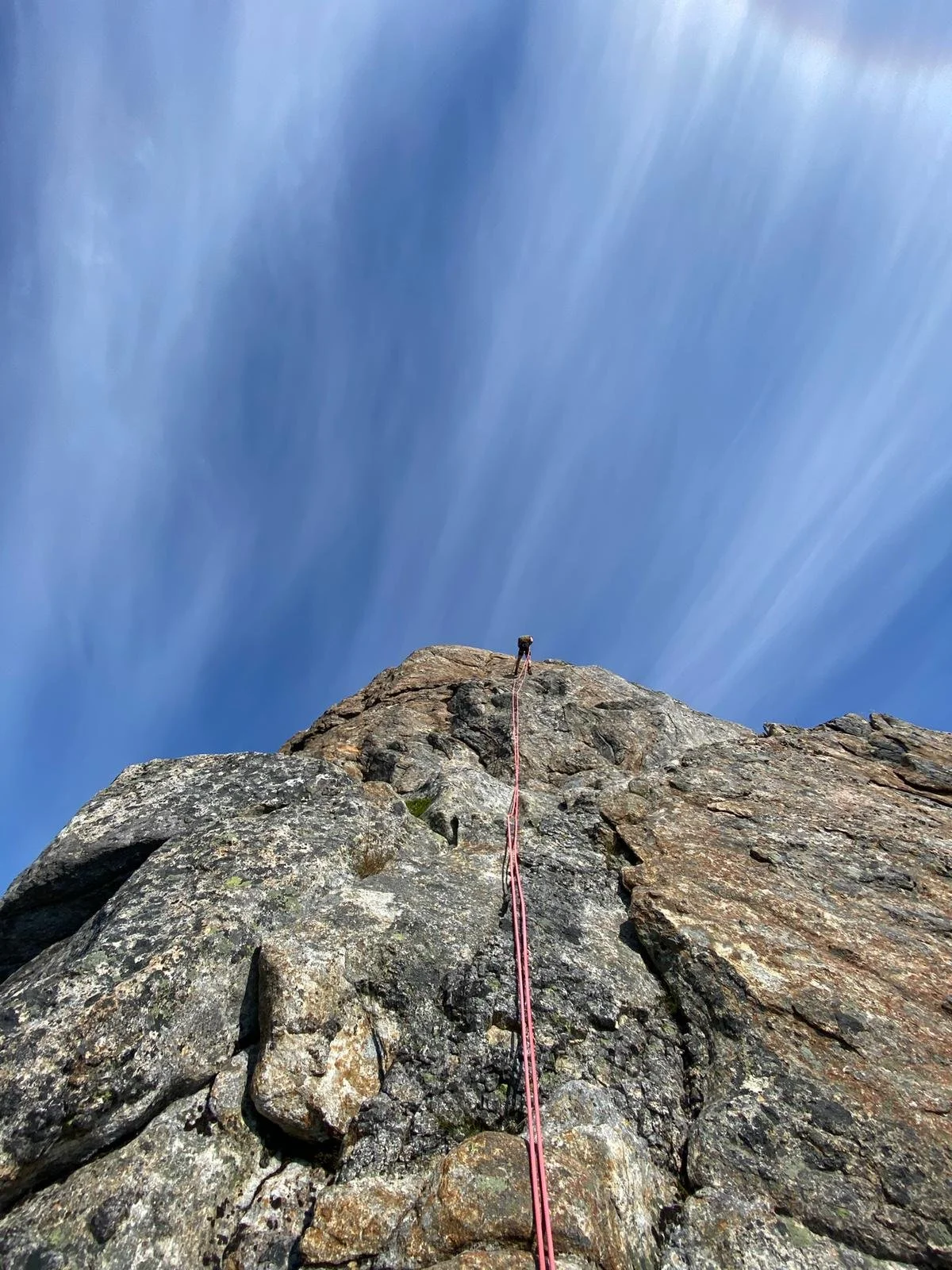
This hands-on Rescue Skills Course is designed to give climbers the confidence and knowledge to manage emergencies in the mountains, developing skills for a variety of rescue scenarios.

INSTRUCTIONAL COURSE
Each day is packed with learning and practical experience. Our instructors will guide you through realistic rescues, sharing knowledge drawn from years of climbing and guiding in the mountains.

This Rescue Skills Course is aimed at climbers with some experience who want to take their knowledge to the next level and be able to get themselves out of sticky situations.
Learn essential skills designed to keep you and your partners safe in the mountains. Through clear instruction, you’ll gain the confidence in your skills.

STAY SAFE IN THE HILLS
INTERMEDIATE LEVEL
-
The focus of this Rescue Skills Course is on developing skills for realistic emergencies. We’ll build your rescue knowledge step by step, so you can deal with a wide range of tricky situations in the mountains.
Over two days, we’ll cover everything from escaping the system and tying off a belay device, to hauling your partner and abseiling past knots. There will be lots of repetition to re-enforce learning, and by the end, you’ll have a strong foundation in rescue techniques and will have the skills to deal with unexpected problems whilst climbing.
-
Day One - We’ll begin with tying off a belay device, an essential skill when managing most incidents. You’ll then learn how to escape the system safely, allowing you to get help if your partner is in trouble. As the day progresses, we’ll practice various hauling techniques, firstly assisted hauling, which can help your partner get through a tricky section, to unassisted techniques, useful when you partner is incapacitated. You’ll also cover how to abseil and lower past a knot, an important skill on multi-pitch routes, especially if your rope becomes damaged.
Day Two - On the second day, we’ll build on those core rescue skills and work through more advanced and realistic scenarios. These may include crag evacuations, multi-pitch rescues, and counterbalance abseils, techniques particularly valuable in remote climbing locations. By the end of this climbing course, you’ll have the confidence and ability to manage a wide range of emergency situations.
This is a Rough Outline of the course, we might change things around based on your experience or the weather conditions.
-
Tying off a belay device and using an Italian Hitch
Lowering safely in guide mode
Lowering or abseiling past a knot
Prussiking up a rope efficiently
Hauling your partner, both directly and indirectly
Reaching your partner safely in different scenarios
Abseiling together with control and communication
How to look after an injured climber
Who to contact and the appropriate order for rescues
Adapting anchors for rescues
-
This course is aimed at climbers with a background in trad climbing who are already confident building belays and placing gear. If you’re unsure whether this is the right course for you, or if you’d like to focus on more specific or advanced rescue skills, get in touch and we can point you in the right direction or put together something bespoke to suit your needs.
-
£300 for 2 days of instruction per person. The course will be based in the Borrowdale Valley near Keswick, feel free to get in touch if you need any accommodation advice.
-
Exceptional instruction and coaching
Local transport to and from your local accommodation if needed
Ropes and technical equipment
Helmet and harness
Advice and support before and after the course
What’s not included?
Climbing shoes
Personal clothing
Food and drink
-
Item description
Overview
The focus of this Rescue Skills Course is on developing skills for realistic emergencies. We’ll build your rescue knowledge step by step, so you can deal with a wide range of tricky situations in the mountains.
Over two days, we’ll cover everything from escaping the system and tying off a belay device, to hauling your partner and abseiling past knots. There will be lots of repetition to re-enforce learning, and by the end, you’ll have a strong foundation in rescue techniques and will have the skills to deal with unexpected problems whilst climbing.
Itinerary
Day One - We’ll begin with tying off a belay device, an essential skill when managing most incidents. You’ll then learn how to escape the system safely, allowing you to get help if your partner is in trouble. As the day progresses, we’ll practice various hauling techniques, firstly assisted hauling, which can help your partner get through a tricky section, to unassisted techniques, useful when you partner is incapacitated. You’ll also cover how to abseil and lower past a knot, an important skill on multi-pitch routes, especially if your rope becomes damaged.
Day Two - On the second day, we’ll build on those core rescue skills and work through more advanced and realistic scenarios. These may include crag evacuations, multi-pitch rescues, and counterbalance abseils, techniques particularly valuable in remote climbing locations. By the end of this climbing course, you’ll have the confidence and ability to manage a wide range of emergency situations.
This is a Rough Outline of the course, we might change things around based on your experience or the weather conditions.
Who’s it for?
This course is aimed at climbers with a background in trad climbing who are already confident building belays and placing gear. If you’re unsure whether this is the right course for you, or if you’d like to focus on more specific or advanced rescue skills, get in touch and we can point you in the right direction or put together something bespoke to suit your needs.
Price and Location
£300 for 2 days of instruction per person. The course will be based in the Borrowdale Valley near Keswick, feel free to get in touch if you need any accommodation advice.
What’s Included?
Exceptional instruction and coaching
Local transport to and from your local accommodation if needed
Ropes and technical equipment
Helmet and harness
Advice and support before and after the course
What’s not included?
Climbing shoes
Personal clothing
Food and drink
What you’ll learn
Tying off a belay device and using an Italian Hitch
Lowering safely in guide mode
Lowering or abseiling past a knot
Prussiking up a rope efficiently
Hauling your partner, both directly and indirectly
Reaching your partner safely in different scenarios
Abseiling together with control and communication
How to look after an injured climber
Who to contact and the appropriate order for rescues
Adapting anchors for rescues
Are you looking for alternative course dates?
Get in touch and to express an interest if the course dates shown don't work for you.
-
We provide all the essential climbing equipment, including harnesses, helmets, ropes, and technical gear. The only thing you’ll need to bring are your own climbing shoes or boots, along with suitable clothing, food, and drink.
We’re usually out in the mountains for around eight hours each day, so make sure to pack a good lunch, some snacks, and at least a litre of water.
If you’d like advice on what clothing to bring, feel free to get in touch or check out our kit lists.
-
We can usually run our courses even in wet or windy conditions, as there are plenty of sheltered venues throughout the Lake District. If the forecast looks cold and wet, make sure to bring extra layers and good waterproofs.
Wet weather means we get colder faster and use more energy, so it’s worth packing a bit more food than you would for a normal day out. If the weather becomes unsuitable, we’ll reschedule your course for another date or offer a full refund.
-
If you need to cancel more than 4 weeks before the course, you’ll receive a full refund. Cancellations between 2 and 4 weeks incur a 50% refund, minus a £10 admin fee. Unfortunately, cancellations less than 2 weeks before the course are non-refundable.
-
We usually meet at a local car park or cafe in the morning. This gives us a chance to introduce ourselves, discuss the plan for the day, and get to know you so we can tailor the course to your goals and experience.
If an early start is needed, we’ll arrange a quick call a day or two beforehand to confirm the details.
-
Lake District Mountain Guides is led by James Boothroyd, who delivers the majority of our courses. You can learn more about James and the rest of the team here.
We also work with a trusted group of professional freelance instructors — all fully qualified, experienced, and insured. Your guide will get in touch before the course to introduce themselves, outline the plan, and answer any questions you may have.